

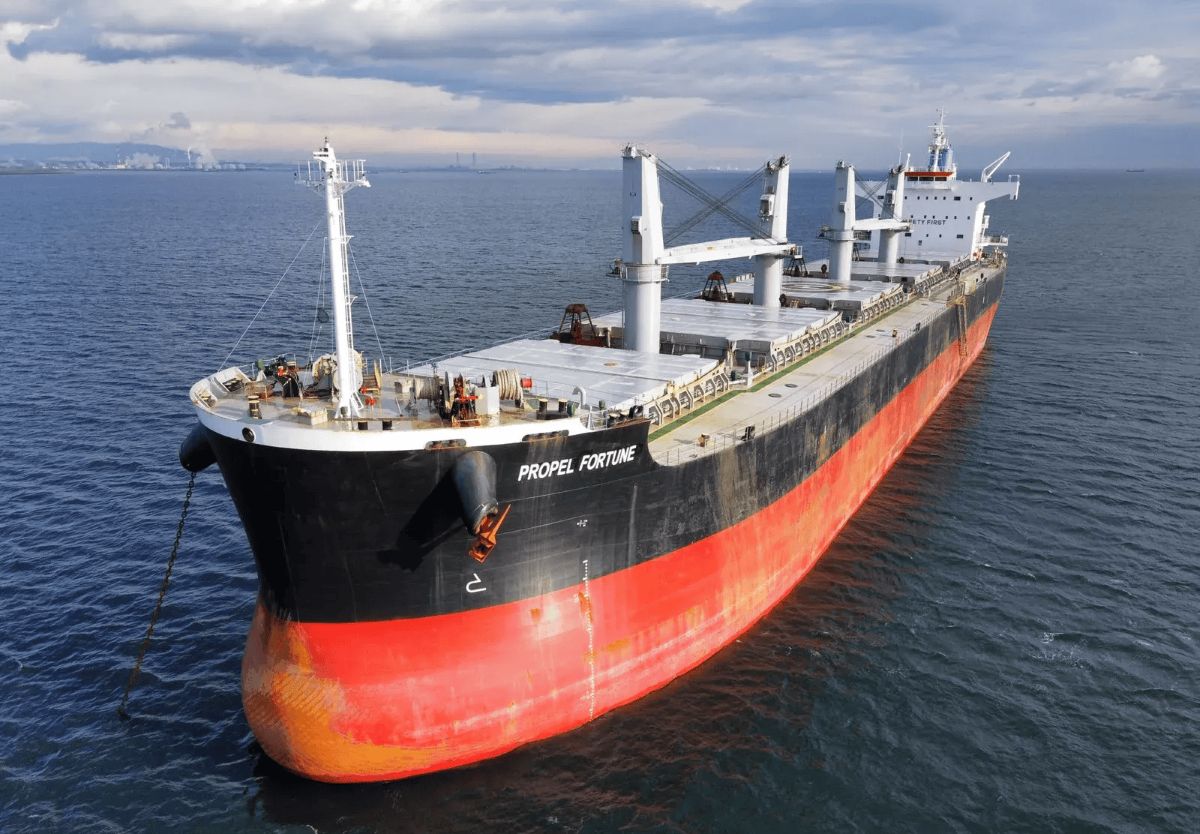
Maritime circles are abuzz with news of a conditional reprieve for the bulk carrier “Propel Fortune,” as an Indian court has reportedly granted permission for its release. However, freedom for the vessel remains tethered to the resolution of outstanding financial dues, highlighting the intricate legal and economic web that governs international shipping.
The specifics of the court order remain somewhat opaque, but sources familiar with the matter indicate that the Indian court’s decision hinges on the vessel’s owners, or relevant parties, fully settling all outstanding dues. These dues are understood to be the reason for the “Propel Fortune’s” recent detention within Indian waters, though the exact nature and quantum of these financial obligations have not been officially disclosed.
This development brings a glimmer of hope after a period of uncertainty for the “Propel Fortune” and its stakeholders. The detention of a vessel is a significant event, impacting not only the ship owners and operators but also potentially cargo owners, crew members, and various service providers who rely on the smooth functioning of global maritime trade.
While the court’s decision paves the way for the “Propel Fortune’s” departure, the crucial next step lies in the swift and complete clearing of the outstanding dues. This process may involve negotiations with creditors, potentially including port authorities, suppliers, or other maritime service providers. The speed and efficiency with which these dues are settled will directly determine when the “Propel Fortune” can truly resume its operational schedule and navigate away from its current predicament.
Industry experts suggest that detentions of vessels often stem from disputes related to unpaid port charges, bunker fuel costs, repair bills, or even crew wages. The legal recourse of arresting a vessel is a powerful tool available to creditors in maritime law, allowing them to secure their claims against the potentially mobile assets of shipping companies.
The case of the “Propel Fortune” serves as a timely reminder of the financial intricacies and legal complexities inherent in the global shipping industry. Operational efficiency and meticulous financial management are paramount to avoid such costly delays and legal entanglements. For ship owners, maintaining clear and transparent financial practices is crucial to ensuring the uninterrupted operation of their vessels and avoiding the reputational and economic damage associated with vessel arrest.
As the maritime community awaits further details on the settlement of dues and the eventual release of the “Propel Fortune,” the case underscores the importance of adhering to financial obligations within the shipping sector. The conditional release granted by the Indian court offers a pathway to resolution, but the burden now rests on the stakeholders to act decisively and clear the financial hurdles standing between the “Propel Fortune” and its freedom to sail once more. The industry will be watching closely to see how quickly this vessel can navigate its way back to open waters and resume its vital role in global trade.